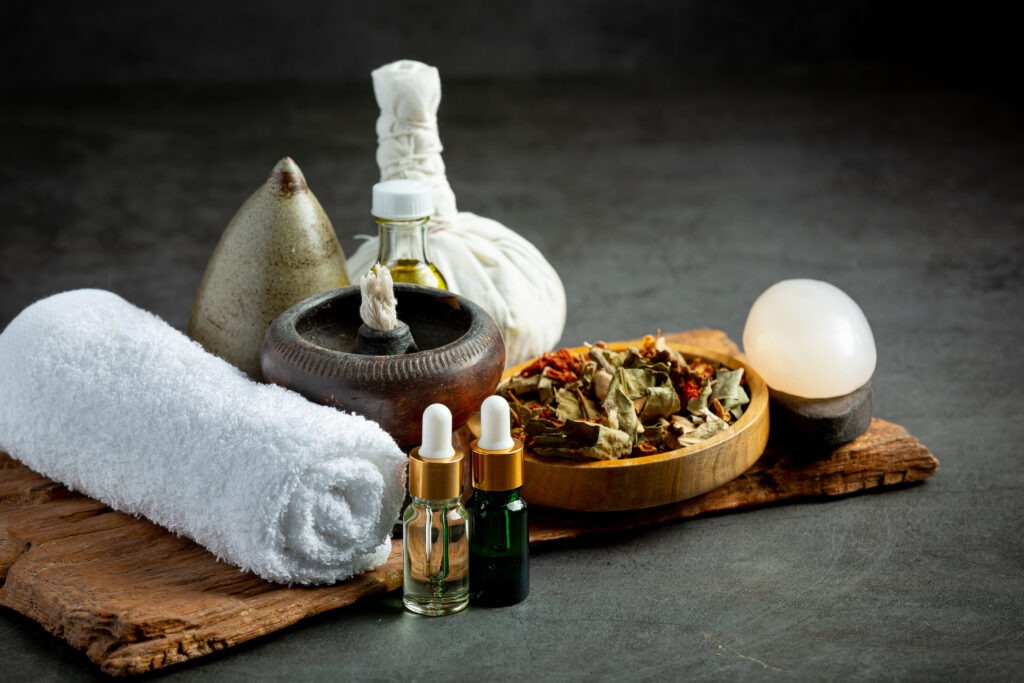
Panchakarma is one of the most powerful detoxification and rejuvenation therapies in Ayurveda. Rooted in ancient Indian healing traditions, Panchakarma aims to cleanse the body of toxins, restore balance, and promote long-term wellness.
In today’s modern lifestyle, exposure to unhealthy food, pollution, and stress leads to the accumulation of toxins in the body. Panchakarma offers a natural way to eliminate these toxins and bring the body back to its optimal state.
What is Panchakarma?
The word Panchakarma comes from Sanskrit, where “Pancha” means five and “Karma” means actions or procedures. It refers to five therapeutic treatments designed to detoxify the body.
Unlike quick detox methods, Panchakarma is a deep cleansing process that removes toxins from the tissues at a cellular level. It not only addresses physical health but also improves mental clarity and emotional balance.
Many individuals seeking holistic healing often turn to therapies offered at a wellness center abu dhabi to experience authentic Panchakarma treatments tailored to their needs.
Why is Detox Important in Ayurveda?
According to Ayurveda, toxins (Ama) accumulate due to:
- Poor digestion
- Unhealthy eating habits
- Stress and lack of sleep
- Environmental pollution
These toxins can block the body’s natural functions and lead to diseases such as arthritis, digestive disorders, skin issues, and fatigue.
Panchakarma helps eliminate these toxins and restores the balance of the three doshas—Vata, Pitta, and Kapha.
Types of Panchakarma Treatments
Panchakarma consists of five primary therapies, each designed for specific detoxification purposes.
1. Vamana (Therapeutic Emesis)
This treatment involves controlled vomiting to eliminate toxins from the upper digestive tract.
Best for:
- Respiratory disorders
- Asthma
- Chronic allergies
Benefits:
- Clears mucus
- Improves breathing
- Balances Kapha dosha
2. Virechana (Purgation Therapy)
Virechana uses herbal laxatives to cleanse toxins from the intestines and liver.
Best for:
- Skin diseases
- Acidity
- Liver disorders
Benefits:
- Improves digestion
- Detoxifies the liver
- Balances Pitta dosha
3. Basti (Medicated Enema)
Basti is considered one of the most important Panchakarma therapies. It involves administering herbal oils or decoctions through the rectum.
Best for:
- Joint pain
- Arthritis
- Nervous system disorders
Benefits:
- Nourishes tissues
- Relieves constipation
- Balances Vata dosha
4. Nasya (Nasal Therapy)
Nasya involves administering herbal oils through the nose to cleanse the head and sinus region.
Best for:
- Sinusitis
- Migraines
- Hair fall
Benefits:
- Improves mental clarity
- Clears nasal passages
- Enhances brain function
5. Raktamokshana (Blood Detoxification)
This therapy involves removing impure blood to purify the body.
Best for:
- Skin disorders
- Acne
- Chronic infections
Benefits:
- Improves skin health
- Detoxifies blood
- Reduces inflammation
Stages of Panchakarma Treatment
Panchakarma is not a one-day process. It is carried out in three stages:
1. Purva Karma (Preparation Phase)
Before the main treatment, the body is prepared through:
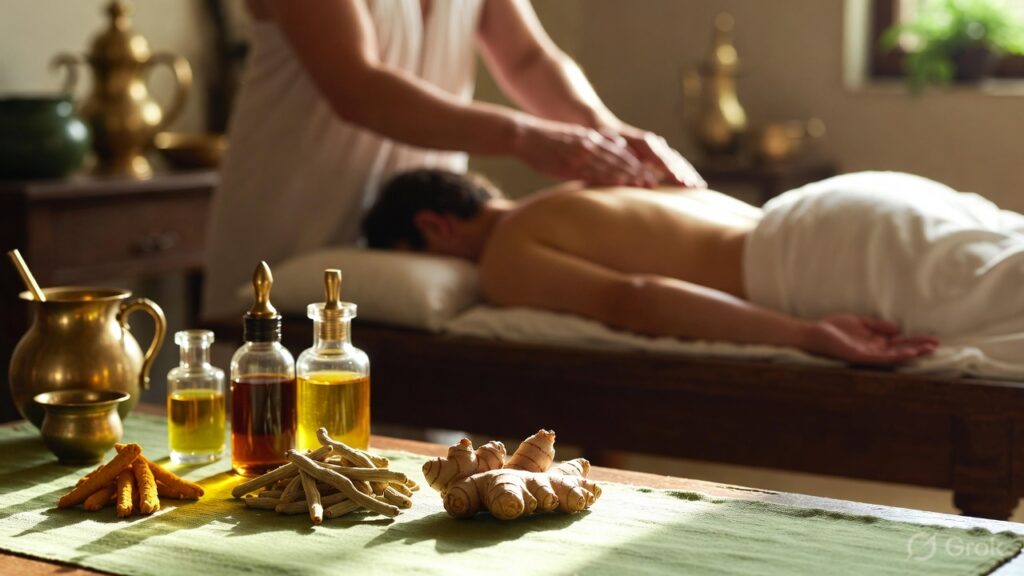
- Oil massage (Abhyanga)
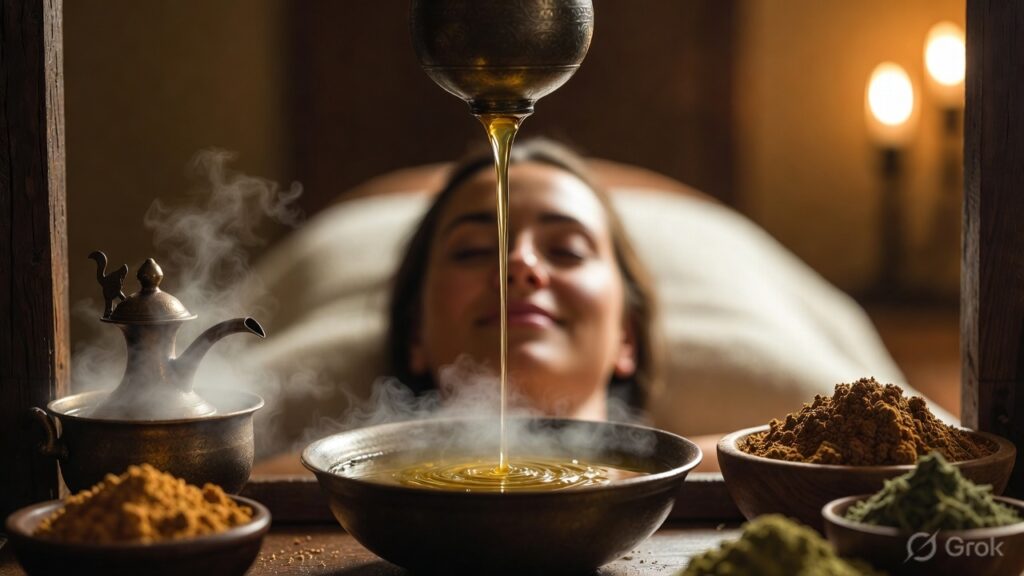
- Steam therapy (Swedana)
This helps loosen toxins and bring them to the surface.
2. Pradhana Karma (Main Treatment)
This stage includes the five main Panchakarma therapies based on the individual’s condition and dosha imbalance.
3. Paschat Karma (Post-Treatment Care)
After detox, a special diet and lifestyle routine are followed to restore strength and maintain balance.
Benefits of Panchakarma
Panchakarma offers a wide range of physical and mental health benefits:
1. Deep Detoxification
Removes toxins from the body at a cellular level.
2. Improved Digestion
Enhances metabolism and nutrient absorption.
3. Boosts Immunity
Strengthens the body’s natural defense system.
4. Stress Reduction
Calms the mind and reduces anxiety.
5. Better Skin Health
Promotes clear and glowing skin.
6. Weight Management
Supports natural weight loss and metabolism.
7. Rejuvenation
Restores energy and vitality.
Side Effects of Panchakarma
Panchakarma is generally safe when performed under expert supervision. However, some temporary side effects may occur:
- Mild fatigue
- Headache
- Nausea
- Temporary weakness
These symptoms are usually part of the detox process and subside within a few days.
Important: Always undergo Panchakarma under trained professionals to avoid complications.
Who Should Avoid Panchakarma?
Panchakarma may not be suitable for:
- Pregnant women
- Elderly individuals with weak health
- People with severe chronic conditions (without medical advice)
- Children
Consultation is essential before starting treatment.
How Long Does Panchakarma Take?
The duration of Panchakarma varies depending on the individual’s health condition:
- Short programs: 7–10 days
- Standard programs: 14–21 days
- Intensive treatments: Up to 28 days
Consistency and proper follow-up care are crucial for long-lasting results.
Diet After Panchakarma
After detox, the digestive system becomes sensitive, so a special diet is recommended:
- Light foods like khichdi
- Warm soups
- Herbal teas
- Easily digestible meals
Avoid:
- Spicy foods
- Fried items
- Processed foods
This helps the body gradually regain strength.
Why Choose Panchakarma in Modern Times?
In today’s fast-paced world, lifestyle diseases are becoming increasingly common. Panchakarma provides a holistic solution by addressing the root cause rather than just symptoms.
Many people now prefer natural healing methods and visit a wellness center abu dhabi to experience authentic Ayurvedic detox therapies that promote long-term health and well-being.
Conclusion
Panchakarma is a powerful Ayurvedic detoxification therapy that cleanses the body, restores balance, and promotes overall wellness. By removing toxins and rejuvenating the system, it helps prevent diseases and improve quality of life.
While it may take time and commitment, the long-term benefits of Panchakarma make it a worthwhile investment in your health.
If you are looking for a natural way to reset your body and mind, Panchakarma could be the perfect solution.
FAQ
1. Is Panchakarma painful?
No, most treatments are gentle and relaxing.
2. How often should I do Panchakarma?
Once or twice a year is recommended for maintenance.
3. Can Panchakarma cure diseases?
It helps manage and prevent diseases by addressing root causes.
4. Is Panchakarma safe?
Yes, when performed under professional supervision.
5. Can I do Panchakarma at home?
Basic detox methods can be done at home, but full Panchakarma requires expert guidance.